Wednesday, October 21, 2009

माफ़ कीजिये - Sorry!

माफ़ कीजिये!
Maaf kijiye!

So sorry for the lack of updates! Mid-term exams are in full swing. I will return to the blogosphere by next week with my usual vitality and enthusiasm.

Wednesday, October 14, 2009

डोला रे डोला

डोला रे डोला रे डोला रे डोला
हाई डोला दिल डोला मनन डोला रे डोला
लग जाने दो नजरिया, गिर जाने दो बिजुरिया
बिजुरिया बिजुरिया गिर जाने दो आज बिजुरिया
लग जाने दो नजरिया, गिर जाने दो बिजुरिया
बांधके मैं घुँघरू
पेहेनके मैं पायल
हो झूमके नाचूंगी घूमके नाचूंगी
डोला रे डोला रे डोला रे डोला
हाई डोला दिल डोला मनन डोला रे डोला
देखो जी देखो कैसे यह झांकर है
इनकी आँखों में देखो पियाजी का प्यार है
इनकी आवाज़ में हाई कैसी थानादार है
पिया की यादों में यह जिया बेकरार है
हाई, आई, आई आई आई आई
माथे की बिंदिया में वोह है
पलकों की निंदिया में वोह है
तेरे तो तन मनन में वोह है
तेरी भी धड़कन में वोह है
चूड़ी की छान छान में वोह है
कंगन की खान खान में वोह है
चूड़ी की छान छान में वोह है
कंगन की खान खान में वोह है
बान्द्खे मैं घुँघरू
हाँ पेहेनके मैं पायल
ओ झूमके नाचूंगी घूमके नाचूंगी
डोला रे डोला रे डोला रे डोला
तुमने मुझको दुनिया दे दी
मुझको अपनी हाँ खुशियाँ दे दी
तुमसे कभी न होना दूर
हाँ मांग में भर ले न सिन्दूर
उनकी बाहों का तुम हो फूल
मैं हूँ क़दमों की बस धुल
बांधके मैं घुँघरू

पहेनके मैं पायल
हाँ, बांधके मैं घुँघरू
पहेनके में पायल
ओ झूमके नाचूंगी घूमके नाचूंगी
डोला रे डोला रे डोला रे डोला...

Tuesday, October 13, 2009

गंगा - The Ganges

मैं उसकी माँ एक बच्चे के रूप में आपके पास आया,
mein uski maa ek bachcha ke hap mai aapka paas aaya,
I come to you as a child to his mother,

मैं तुम्हें एक अनाथ, प्यार से नम के रूप में आते हैं.
mein tumhein ek anaabh, pyaar se nam ke hap mai aale hain.
I come to you as an orphan, moist with love.
मैं तुम से शरण के बिना, पवित्र आराम के दाता.
mein tum se sharnna ke bhina, paweer aaram ke data.
I come without refuge to you, giver of sacred rest.
मैं तुम से एक आदमी आ गिरा, सभी के अंत्योदय,
mein tum se ek aadmi aa gira, sabhi ke antodaya,
I come a fallen man to you, uplifter of all,
मैं रोग से आप को पूर्ववत आया, सही चिकित्सक,
mein reg se aap ke puviivat aaya, sahi chikitsak,
I come undone by disease to you, the perfect physician,
मैं आ गया, मेरा दिल प्यास से सूखे, तुम, मीठी शराब के सागर,
mein aa gaya, sera dil pyaar se sukhe, tum imith sharab ke sagar,
I come, my heart dry with thirst, to you, ocean of sweet wine.
मेरे साथ क्या तुम जो भी होगा
mere sabh kya tum jaye bhi hega.
Do with me whatever you will.

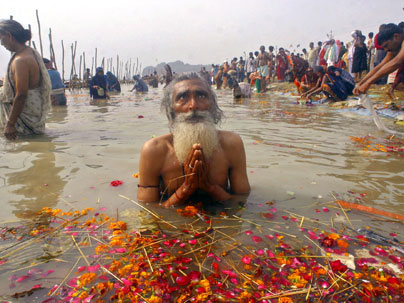
These are the words of the Ganga-Lahiri (गंगा लाहिड़ी), or Waves of Ganga, a famous poem by 17th century Brahmin (ब्राह्मण) poet Jagannatha (जगन्नाथ). Jagannatha broke the laws that forbade upper-caste Brahmins from consorting with lower castes when he fell in love with a Muslim girl. Though he tried to explain the transcendence of love to his elders, he was exiled from his pious Hindu community. He then traveled to Varanasi, India's most sacred city, and sat along the ghats of the Ganges river. Perched on the 52nd step, he composed 52 verses dedicated to the river. The story goes that with every line, the Ganges rose a step, finally consuming him at the end of his final verse.

The allegory of the Ganga is a beautiful myth indeed, but it is so long that I will have to dedicate a separate post to it. The Ganges river is a symbol of purification, womanhood, motherhood, and guardianship. Devout Hindus believe that bathing in the Ganges will wash away their sins, and that if one's body is cremated on her banks he will break the karmic cycle and escape the world's suffering.

Unfortunately, the river is facing a crisis of pollution. (These days, do you expect anything otherwise?)

The 1,560 miles of the Ganges run through one of the most densely populated regions in the world. Over one-third of all Indians (think: all the people in America) live along the river in the Gangetic Basin. Most people do not have sewage or sanitation facilities, meaning that millions of gallons of raw sewage are dumped into the sacred river each day.

The Ganges Action Plan, launched in 1985, was an ambitious attempt to clean up the river. But it was poorly executed and resulted in failure. The Ganges is now nearly twice as polluted as it was twenty years ago. In addition, a recent government audit discovered that corrupt officials had long been siphoning off funds from the project.

It look as though it will likely be a while before the river goddess' waters are as clean as Hindu pilgrims believe them to be.

Monday, October 12, 2009

यह दोस्ती - Yeh Dosti (This Friendship)

I don't have much to say about Bollywood movies, other than that my eardrums are always ringing and my hamstrings are in knots after emerging from the theatre. Too long and too loud, I think. You don't have to take my word for it, either. India's cinematic endeavours have a reputation for being...er, ridiculous.

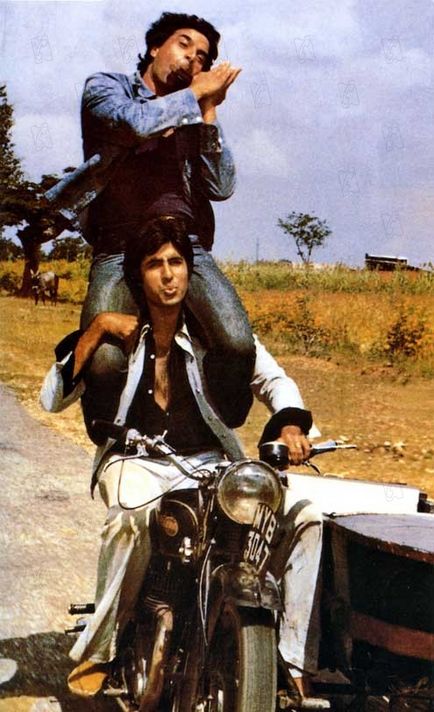
Fortunately, though, the songs are great fun, and also a much better tool for learning Hindi than rote memorization. Check out this clip from Sholay: http://www.youtube.com/watch?v=ck77d3joH6I. The song was immensely popular at the time, and it's still impossible to listen to it without smiling.

(And hey, if you're a particularly observant American movie-goer, you might recognize the actor Amitabh Bachchan as the celebrity that gaved Jamal Malik an autograph in 'Slumdog Millionaire'.)

Here I've translated the lyrics as best I can:

यह दोस्ती हम नहीं तोडेंगे
yeh dosti hum nahin todenge
(We will not break this friendship)
तोडेंगे दम मगर तेरा साथ न छोडेंगे
todenge dam magar tera saath na chhodenge
(I may break my strength, but I will not leave your side)

ऐ मेरी जीत तेरी जीत, तेरी हार मेरी हार
ae meri jeet teri jeet, teri haar meri haar
(Hey, my victory is your victory, your loss is my loss)
सुन ऐ मेरे यार
sun ae mere yaar
(Hey, listen my man!)

तेरा ग़म मेरा ग़म, मेरी जान तेरी जान
tera gham mera gham, meri jaan teri jaan
(Your sorrow is my pain, my life is your life)
ऐसा अपना प्यार
aisa apna pyaar
(That's how our love is)

जान पे भी खेलेंगे, तेरे लिए ले लेंगे
jaan pe bhi khelenge, tere liye le lenge
(I'll even risk my life, for you I will)
जान पे भी खेलेंगे, तेरे लिए ले लेंगे
jaan pe bhi khelenge, tere liye le lenge
(I'll even risk my life, for you I will)

सब से दुश्मनी
sab se dushmani
(Become enemies with everyone)

यह दोस्ती हम नहीं तोडेंगे
yeh dosti hum nahin todenge
(We will not break this friendship)
तोडेंगे दम मगर तेरा साथ न छोडेंगे
todenge dam magar tera saath na chhodenge
(I may break my strength, but I will not leave your side)
लोगों को आते हैं दो नज़र हम मगर
logon ko aate hain do nazar hum magar
(People see two of us, but)
देखो दो नहीं
dekho do nahin!
(look, we are not two!)

अरे हो जुदा या खफा ऐ खुदा है दुआ
arre ho judaa ya khafa ae khuda hai dua
(Arre, that we be separated or angry, oh God I pray)
ऐसा हो नहीं
aisa ho nahin
(that this will not happen)

खाना पीना साथ है
khana peena saath hai
(We will eat and drink together)
मरना जीना साथ है
marna jeena saath hai
(We will die together)

साडी ज़िन्दगी
sari zindagi
(for the rest of our lives)

यह दोस्ती हम नहीं तोडेंगे
yeh dosti hum nahin todenge
(We will not break this friendship)
तोडेंगे दम मगर तेरा साथ न छोडेंगे
todenge dam magar tera saath na chhodenge
(I may break my strength, but I will not leave your side)

तोडेंगे दम मगर तेरा साथ न छोडेंगे
todenge dam magar tera saath na chhodenge
(I may break my strength, but I will not leave your side)

Conversational Hindi - Lesson 2


दूसरो से प्रेम करना अपने आप से प्रेम करना है।

duusri se prem karna aapne aap se prem karna hai.

To love others is to love yourself.


सच्चा प्रेम दुर्लभ है, सच्ची मित्रता और भी दुर्लभ है।

sachha prem duliibh hai, sachhi mithra aur bhi duliibh hai.

True love is rare, true friendship is even more rare.


मुस्कान प्रेम की भाषा है।

muskaan prem ki bhaba hai.

A smile is the language of love.


बिना अनुभव के कोरा शाब्दिक ज्ञान अंधा है।

bina anubhab ke kera shaabdik jaan athha hai.

Knowledge without experience is literally blank.


जैसा अन्न, वैसा मन।

jaisa anna, vaisa man.

As the grain, like mind.


अहिंसा सर्वोत्तम धर्म है।
ahimsa sawoutam thhamii hai.

Nonviolence is the best religion.


बहुमत की आवाज न्याय का द्योतक नही है।

bahumat ki aawaj nyaya ka gheitak nahi hai.

Justice is not indicative of the majority's voice.

अन्याय मे सहयोग देना, अन्याय के ही समान है।

aanyay mei sahayeg dena, aanyay ke hi samaan hai.

To cooperate in injustice, injustice is the same.

अ - "a", आ - "aa"


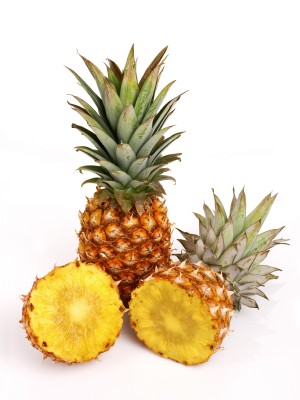
अ - अनन्नास

A - anannas (pineapple)

"अ" is pronounced as 'a' as in "uncle", "ultimate", "under"


अनार - anaar (pomegranate)


अमरुद - amruud (guava)


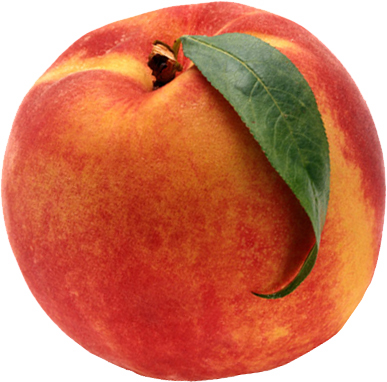
आ - आडू

Aa - aaduu (peach)

"आ" is pronounced 'aa' as in "father"


आम - aam (mango)


आलू - aaluu (potato)

Friday, October 9, 2009

Conversational Hindi - Lesson 1

I thought that it would perhaps be interesting to start a series of posts on conversational Hindi. There are a few sites on the internet that teach Hindi vocabulary, but seem to overlook the wonderfully unique way of phrasing things that Indians have. You can study Hindi grammar and vocabulary for days, months, even years - but never be understood by native speakers, only because you cannot literally translate English sayings into Hindi sayings.


So, let's start with the basics.


This YouTube video does a good job of noting the difference between the ways that Hindi is spoken versus written.


There are three main variants of Hindi in India. First is Hindi proper, which is the official language of India and uses lots of Sanskrit loanwords. Secondly, there is Urdu, which is practically indistinguishable from Hindi aside from three important differences: Urdu uses the Persian-Arabic script, uses lots of Persian-Arabic loanwords, and it is mainly used by Muslims in the northwestern states and Pakistan. Thirdly, there is Hindustani, which is a neutral blend of the two. It is used in regular, informal speech. The standard dialect of Hindi is Khariboli.


Namaste (नमस्ते) is the typical greeting. It can mean both 'hello' and 'goodbye'. Namaskar (नमस्कार) is a more formal variant of namaste. But if you really want to show respect to someone - and in Indian society, this means someone who is your elder or your superior - the proper greeting is Pranaam, ji (प्रणाम, जी). Generally, the word ji (जी) is used to denote respect. All of these greetings are accompanied by a palms-together, hands-at-the-heart gesture. A slight bow is also appropriate - but slight is the watchword. In fact, a polite nod will often do. A fulling bending bow as we see in other eastern Asian societies is unnecessary.

Aap se mil ker buhut khushi hui (आप से मिल केर बहुत ख़ुशी हुई) is an approximate transliteration of 'pleased to meet you'. The pronunciation of 'bahut' (बहुत) is a bit different from the way it appears to be written.

Now, the speaker in the video claims that to say 'How are you?', you would say Kaise hain aap? (कैसे हैं आप?) I do not doubt that he is being authentic, but in truth, I have never heard it spoken this way before. I am most familiar with Aap kaise hain? (आप कैसे हैं?)

Aap ka naam kya hai? (आप का नाम क्या है?) - 'What is your name?'

Mera naam Gracie hai. (मेरा नाम ग्रसी है) - 'My name is Gracie.'

Aap ka shubh naam? (आप का शुभ नाम?) Oftentimes, you will be asked for your "good name." An example of a proper response would be:

Mera naam sriram hai. (मेरा नाम श्रीराम है) - 'My name is Sri (Mr.) Ram.' Your good name would be Mr. (Sri - श्री) or Mrs. (Srimati - श्रीमती) Full Name. The prefix kumari [(कुमारी) - lit. 'virgin'] is used for unmarried girls. If you are an unmarried woman, shushri (शुश्री) is the modern equivalent of Ms.

As with the prefixes, you can show someone respect by adding Sahib (साहिब) or Begum Sahib (बेगम साहिब) after their last name. 'Sahib' is used for men, whereas 'begum sahib' is used for women.

There is an interesting blog post by gappa on the different surnames across the states of India. Indian names can be quite confusing at times. The naming system is completely different than the western system of First, Middle, Last names.

Anyway, perhaps I'll dedicate an entire post to addressing Indian people properly some other time. Let's keep going, shall we? Almost done.

Aap kahan ke rehne wale hain? - (आप कहाँ के रहने वाले हैं?) Where are you from?

Mein Dilli ka rehne wali hoon. - (में दिल्ली का रहने वाली हूँ) I am from (Delhi). [Feminine]
Mein Dilli ka rehne wala hoon. - (मैं दिल्ली का रहने वाला हूँ) I am from (Delhi). [Masculine]
Note the difference between wali and wala. The distinction between feminine and masculine is very easy to remember in Hindi. Feminine words end in -i while masculine words end in -a.


That's all for today! Don't worry if you cannot read the Devanagari script for now. I think it will be easier to understand it if you know how to say a few things in Hindi first, just as a child learns to speak a few words before learning to read.